

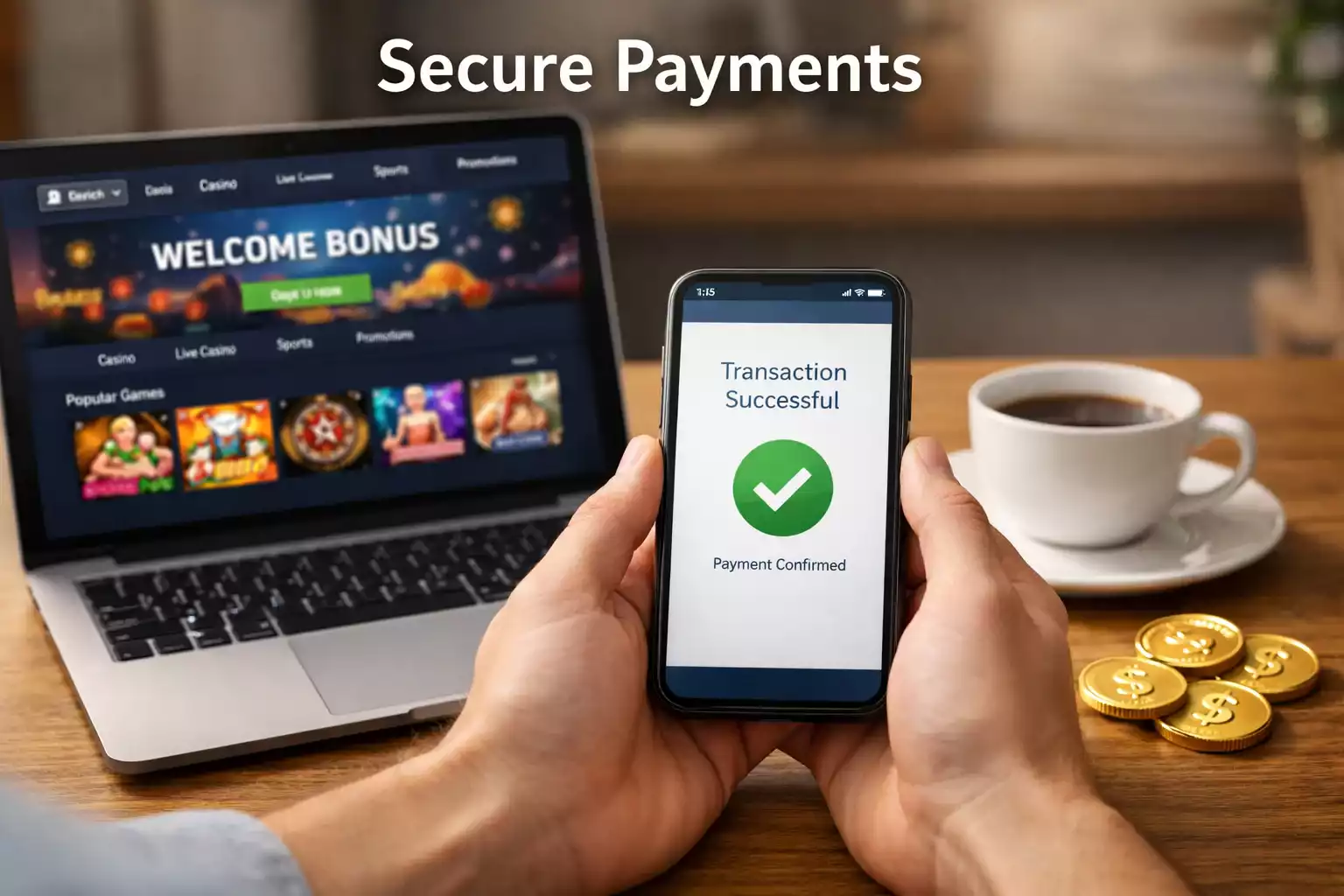
Buying Gold Coins at a sweepstakes casino means navigating purchase options that differ significantly from traditional online gambling deposits. These platforms frame transactions as merchandise purchases rather than gambling deposits, which affects everything from available payment methods to how charges appear on your statements.
The scale of these purchases has grown enormously. Player spending on sweepstakes gaming reached approximately $8.5 billion in 2024, according to Eilers & Krejcik Gaming data reported by SBC Americas. That volume flows through credit cards, debit cards, e-wallets, cryptocurrency, and alternative payment methods that each carry distinct advantages and limitations. Understanding your options helps you choose the most convenient and cost-effective way to fund your play.
Sweepstakes Casino Payment Methods — More on this topic at social casino sweepstakes.
Card Payments
Credit and debit cards remain the most common purchase method at sweepstakes casinos. Visa, Mastercard, and American Express work at most major operators. The transaction processes like any online merchandise purchase, typically appearing on statements as a purchase from the operating company rather than an obvious gambling-related charge.
Card acceptance rates run high because sweepstakes operators classify these transactions as entertainment purchases rather than gambling. This classification matters. Banks and payment processors that block gambling transactions often approve sweepstakes casino purchases because they fall into a different merchant category code. Your card that declines at a licensed online casino might work perfectly at Chumba or Stake.us.
Some card issuers have begun scrutinizing sweepstakes transactions more closely. Reports of declined purchases have increased as banks update their fraud detection algorithms. If your card gets declined, trying a different card usually resolves the issue. Contact your bank if declines persist; sometimes a quick verification call authorizes future transactions.
Debit cards offer more reliable acceptance than credit cards at certain operators. Some sweepstakes casinos restrict credit card purchases entirely, accepting only debit transactions. This policy helps operators manage chargeback risk while ensuring players spend from available funds rather than credit lines.
The economic impact of card transactions extends beyond individual purchases. In New York alone, the sweepstakes industry contributed over $135 million in interchange fees to card issuers during 2024, according to SGLA economic impact data. Those fees represent the payment processing ecosystem built around sweepstakes purchases.
E-Wallet Options
PayPal availability varies dramatically across sweepstakes operators. Some platforms accept PayPal for both purchases and redemptions, providing a convenient all-in-one payment solution. Others have never integrated PayPal or lost access due to policy disputes. Check individual operator payment pages before assuming PayPal works at your chosen site.
Skrill and Neteller cater specifically to online gaming customers. These e-wallets built their businesses around gambling transactions and accept sweepstakes casino activity without the restrictions some mainstream providers impose. Funding your Skrill or Neteller account first, then using that balance for sweepstakes purchases, adds a layer of separation between your bank and the gaming site.
Apple Pay and Google Pay have gained acceptance at forward-thinking operators. These mobile wallet options streamline checkout on smartphones and tablets, letting you complete purchases with biometric authentication rather than entering card details manually. Availability remains inconsistent, though integration continues expanding across the industry.
E-wallet transactions often process faster than direct card payments. The intermediary step of maintaining a wallet balance means purchases draw from already-cleared funds rather than initiating new bank authorizations. This speed advantage matters most during promotional periods when you want to act quickly on limited-time offers.
Cryptocurrency
Bitcoin leads cryptocurrency acceptance at sweepstakes casinos, with Ethereum, Litecoin, and various altcoins following at select operators. Crypto purchases bypass traditional banking entirely, eliminating card declines and processor restrictions. For players in regions with aggressive banking policies around gaming, cryptocurrency provides a reliable alternative.
The purchase process differs from card transactions. You send crypto from your personal wallet to an address provided by the operator, typically through a third-party processor that converts the cryptocurrency to fiat value for your coin purchase. Conversion rates and network fees vary, so factor these costs into your purchase calculations.
Stake.us has positioned itself as the crypto-friendly leader in the sweepstakes space, inheriting infrastructure from Stake.com’s extensive cryptocurrency gambling operations. Their platform supports numerous coins with competitive conversion terms. Other operators offer more limited crypto options, sometimes restricting cryptocurrency purchases to Bitcoin only.
Transaction confirmation times depend on network congestion. Bitcoin purchases might take thirty minutes to several hours during busy periods. Ethereum and other chains generally confirm faster. Plan ahead when using crypto; last-minute purchases for expiring promotions may not clear in time.
Other Methods
Bank transfers work at operators who support ACH or wire transactions. These direct bank connections skip card networks entirely, reducing processing fees for larger purchases. Minimum purchase amounts often apply, making bank transfers more practical for substantial coin packages rather than small top-ups.
Prepaid cards offer anonymous purchasing options. Visa and Mastercard prepaid cards purchased at retail stores work at most sweepstakes casinos without linking to your personal banking. This separation appeals to players who prefer keeping gaming activity entirely separate from their regular finances.
Online banking options like Trustly connect directly to your bank account without exposing card numbers. These services authenticate through your bank’s existing login credentials and initiate transfers without the intermediary step of card processing. Availability depends on your bank’s partnership with the service provider.
Gift cards present limited utility. Unlike some gaming platforms that accept gift card purchases, sweepstakes casinos generally require payment methods tied to verified identities. This requirement connects to their compliance obligations around player identification and redemption eligibility.
Security Considerations
Payment security at sweepstakes casinos operates without the regulatory oversight governing licensed gambling sites. No gaming commission mandates specific security standards for processing sweepstakes purchases. Operators implement protections voluntarily, with quality varying across the industry.
Look for standard e-commerce security indicators: SSL encryption shown by the padlock icon, PCI DSS compliance for card handling, and established payment processors rather than obscure intermediaries. Major operators partner with recognized payment companies that maintain their own security certifications.
The regulatory gap around sweepstakes operations has drawn attention from lawmakers. As West Virginia Delegate Shawn Fluharty, President of the National Council of Legislators from Gaming States, stated at a December 2025 conference: “This issue has brought lawmakers together that it represents illegal gambling and revenue theft in many states. Rarely do we agree on anything as lawmakers, but on this issue, we agree that this represents illegal gambling operations.” While this criticism targets the gambling classification rather than payment security specifically, it reflects broader concerns about oversight gaps.
Monitor your statements after purchases. Sweepstakes casino charges should match your purchase amounts without unexpected fees or duplicate transactions. Report discrepancies to both the operator and your payment provider promptly. Legitimate operators resolve billing errors quickly; patterns of unexplained charges warrant reconsideration of that platform.
Conclusion
Sweepstakes casinos accept diverse payment methods, though availability varies significantly between operators. Credit and debit cards work most broadly, with e-wallets and cryptocurrency providing alternatives when card transactions face restrictions. Compare the payment options at your chosen platform before committing, and have backup methods ready in case your primary option encounters issues.
See also Age Verification at Sweepstakes Casinos.
Security depends largely on operator reputation given the absence of regulatory mandates. Stick with established platforms using recognized payment processors, monitor your statements, and treat payment convenience as one factor among many when selecting where to play.