
You’ve accumulated Sweeps Coins, met the minimum redemption threshold, and you’re ready to cash out. Then comes the request that stops many players in their tracks: identity verification. Sweepstakes casinos require Know Your Customer documentation—commonly called KYC—before they’ll convert your promotional coins into real money. For players accustomed to anonymous online gaming, this requirement can feel intrusive or even suspicious.
But verification requirements exist for concrete reasons, and understanding those reasons helps frame what operators actually need from you and why. The sweepstakes casino industry operates in a regulatory environment where more than 100 cease-and-desist letters flew from state regulators to operators in 2025 alone. In this climate, operators who want to stay in business take compliance seriously—and KYC sits at the center of that compliance framework.
This guide explains what verification requirements you’ll face, what documents you’ll need, how long the process takes, and what to do when something goes wrong. The goal is simple: get you through verification smoothly so you can actually receive the prizes you’ve earned.
Sweepstakes Casino Verification — More on this topic at social casino sweepstakes.
Why Verification Is Required
Sweepstakes casinos verify player identities for several overlapping reasons, all of which connect to keeping their operations legally defensible and financially sustainable.
Age verification stands as the most fundamental requirement. Every sweepstakes casino restricts access to players 18 or older, with some platforms requiring players to be 21. Self-declaration during registration isn’t sufficient—operators need documentary proof that you meet age requirements before sending you money. Paying prizes to minors would create immediate legal exposure and undermine the operator’s claim to run a legitimate sweepstakes promotion.
Geographic eligibility verification ensures players actually reside in states where the operator permits prize redemption. Some states have explicitly banned sweepstakes casinos or have pending legal actions that make operators cautious about servicing residents. Your ID and proof of address confirm you’re in an eligible jurisdiction. IP address checks add another layer but aren’t sufficient alone—VPNs and travel create legitimate mismatches that document verification resolves.
Fraud prevention drives much of the verification process. Multi-accounting, where one person operates several accounts to exploit bonuses or circumvent limits, costs operators significant money. Identity verification links accounts to real individuals, making it harder to run duplicate accounts undetected. Stolen payment methods, money laundering attempts, and other financial crimes also get filtered through KYC processes.
Regulatory compliance has intensified as state enforcement has escalated. The Minnesota Attorney General’s office, for instance, has outlined civil penalties of up to $25,000 per violation for illegal gambling websites operating in the state. Operators implementing robust KYC can demonstrate they’re making good-faith efforts to comply with state requirements—a defense that matters if regulators come calling. Sloppy verification practices suggest operators don’t care about compliance, which invites enforcement.
Documents Typically Needed
Verification requirements follow a standard pattern across sweepstakes casinos, though specific document types and submission methods vary by operator. Expect to provide documentation in three categories: identity proof, address proof, and sometimes payment verification.
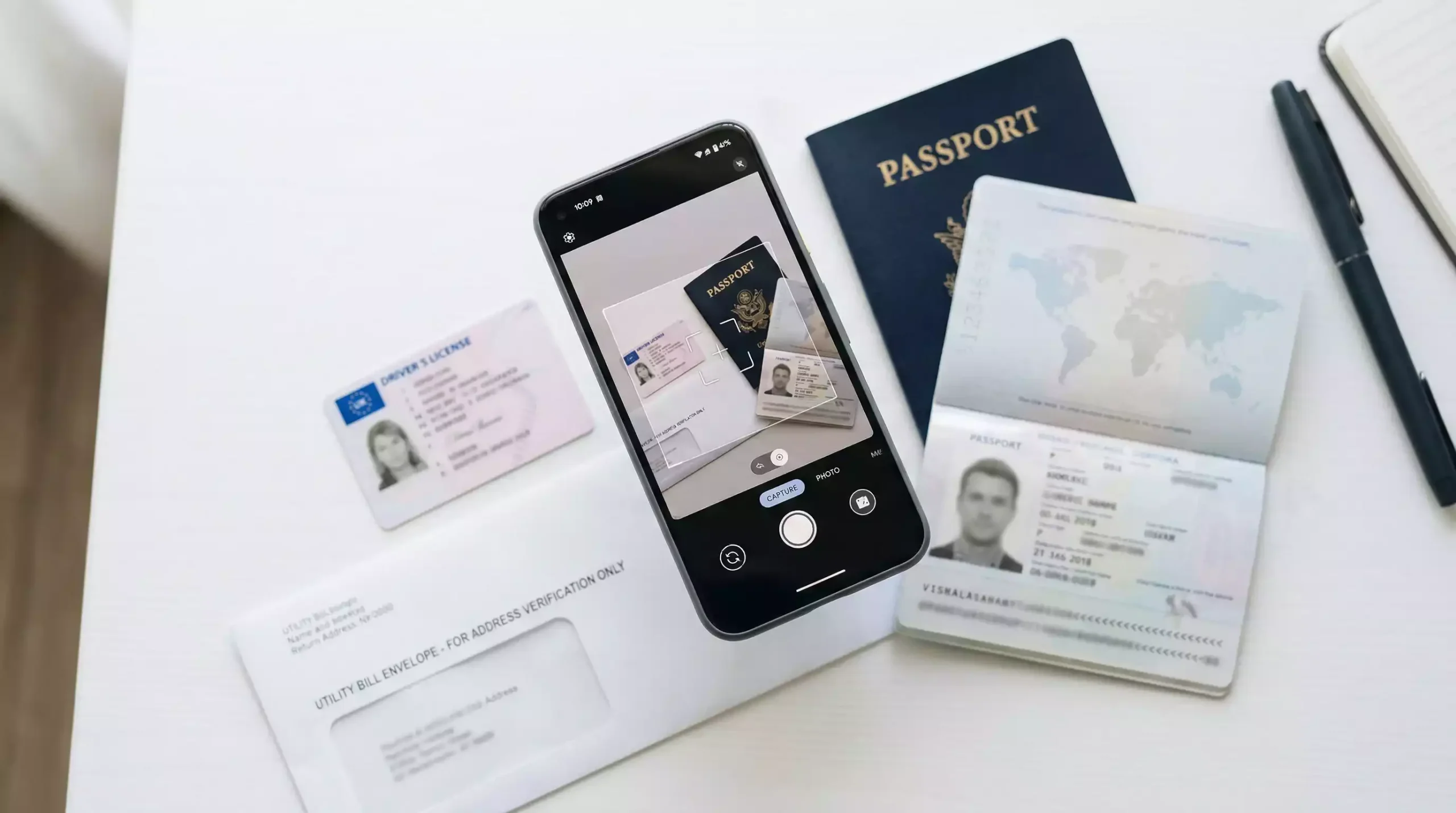
Government-issued photo identification forms the core of identity verification. Acceptable documents typically include a valid driver’s license, state-issued ID card, or passport. The ID must be current—expired documents are rejected. The name on your ID must exactly match the name on your sweepstakes casino account. Mismatches, even minor ones like using a middle initial versus full middle name, can delay verification.
Photo quality matters significantly. Operators need to clearly read all text on your ID, see your photo, and verify security features. Blurry photos, glare obscuring text, cut-off edges, or images where the ID appears too small are common rejection reasons. Take the photo in good lighting, ensure the entire document is visible, and verify readability before submitting.
Proof of address confirms where you live and must match the address on your account. Acceptable documents usually include utility bills, bank statements, credit card statements, or government correspondence. The document must be recent—typically dated within the last 90 days. It must show your full name and residential address, not a P.O. box. Screenshots or digital statements are often accepted, but some operators require original documents.
Payment method verification may be required if you’re redeeming through bank transfer or if your purchasing history triggers additional review. This might involve uploading a photo of the credit or debit card used for Gold Coin purchases, with middle digits obscured for security but the last four digits and name visible. For bank transfers, you might need to provide a bank statement showing your account number.
Selfie verification adds a biometric layer at some platforms. You’ll take a photo of yourself holding your ID, allowing the operator to confirm the ID belongs to you rather than someone else’s stolen document. Some operators use automated facial recognition; others review manually.
Verification Process Timeline
The time required for verification varies based on when you initiate it, the quality of your submissions, and the operator’s current review workload. Understanding realistic timelines helps manage expectations and plan redemptions accordingly.
Initial document submission takes minutes if you have documents ready. Most operators provide upload interfaces directly in their apps or websites. You’ll select the document type, upload an image or PDF, and submit. Some platforms use mobile apps with camera integration for real-time document capture, which can streamline the process.
Operator review periods range from hours to days. Automated verification systems can approve straightforward submissions within minutes—clear documents, exact name matches, eligible jurisdictions. Manual review kicks in when automated systems flag issues or when operators conduct random audits on high-value accounts. Manual review typically takes 24-72 hours during normal business periods.
First-time redemption verification often takes longer than subsequent verifications. Even if you provided documents during registration, operators frequently request fresh documentation or additional items before your first prize payout. Budget 3-5 business days for complete verification on first redemption, assuming your documents are accepted on the first submission.
Rejected submissions reset the clock. Each time documents are rejected and you resubmit, the review cycle restarts. Multiple rejection rounds can stretch verification across weeks. This is why submitting high-quality documents initially matters so much—avoiding rejections accelerates the entire process.
Proactive verification speeds redemption. Many operators allow you to complete KYC verification before requesting your first redemption. Taking this approach means verification delays don’t hold up your payout when you’re actually ready to cash out. The verification review happens while you’re still playing, not while you’re waiting for money.
Privacy and Data Security
Handing over copies of your driver’s license and utility bills to an online gaming platform raises legitimate privacy concerns. Understanding how operators handle this sensitive data helps you make informed decisions about participation.
Reputable sweepstakes casinos employ encryption for document transmission and storage. When you upload verification documents, they should travel over HTTPS connections that prevent interception. Stored documents should be encrypted at rest, meaning even if someone accessed the storage system, they couldn’t read your files without decryption keys.
Data retention policies vary by operator. Some delete verification documents after approval, keeping only a record that verification occurred. Others retain documents for extended periods to facilitate re-verification or respond to regulatory inquiries. Check the operator’s privacy policy for specifics—though admittedly, few players actually read these documents.
Third-party verification services handle KYC for many operators. Companies specializing in identity verification—such as Jumio, Onfido, or similar providers—process your documents rather than the sweepstakes casino itself. These services often have stronger security practices than individual operators might implement. However, this means your data passes through additional parties.
The practical risk assessment: major sweepstakes casinos process thousands of verifications and handle millions in transactions. They have strong business incentives to protect customer data—a breach would devastate their reputation and invite regulatory consequences. This doesn’t guarantee perfect security, but it aligns operator interests with data protection.
If privacy concerns outweigh your desire to redeem prizes, you can play sweepstakes casinos purely for entertainment using Gold Coins, which require no verification. The verification requirements only apply when you want to convert Sweeps Coins to real money.
Troubleshooting Failed Verification
Verification rejections frustrate players, but most failures stem from fixable issues. Understanding common rejection reasons helps you resolve problems quickly rather than cycling through repeated failed submissions.
Image quality issues cause the majority of rejections. Blurry photos, poor lighting, glare from flash, partially visible documents, and images where text isn’t legible all trigger rejection. Solution: take photos in natural lighting without flash, ensure the entire document fills most of the frame, verify you can read all text in the image before submitting, and use the highest resolution your camera supports.
Name mismatches between your account and documents require attention. If your ID shows “William” but you registered as “Bill,” or if your address document shows a maiden name while your ID shows a married name, operators may reject verification. Solution: ensure account registration details exactly match your government ID. If you need to change account information, contact support before resubmitting documents.
Expired documents fail verification universally. Your driver’s license or passport must be currently valid—even if it expired yesterday. Proof of address documents must typically be dated within 90 days. Solution: verify document dates before submission. If your ID recently expired, you’ll need to renew it before completing verification.
Address type restrictions catch some players. P.O. boxes don’t satisfy address verification at most operators—they need a residential address. Forwarding addresses or temporary housing situations create complications. Solution: use utility bills, bank statements, or official correspondence showing your actual residential address.
Unresponsive support delays resolution. If you’ve submitted documents multiple times with rejections but no clear explanation why, escalate through customer support channels. Request specific feedback on what’s wrong with your submissions. Some operators have dedicated verification support teams accessible through email or live chat.
Conclusion
Verification requirements create friction in the redemption process, but they serve purposes that ultimately benefit legitimate players. Operators who verify identities can offer prize redemption with greater confidence that they’re complying with legal requirements and protecting against fraud. Players who complete verification gain access to actual cash prizes rather than perpetually locked virtual currencies.
The verification requirements themselves are straightforward: valid government ID, recent proof of address, and occasionally payment method confirmation. The process becomes complicated only when document quality is poor, information doesn’t match, or players wait until redemption time to begin verification.
Complete verification proactively. Submit high-quality documents with current dates and exact name matches. Do this before you need to redeem, not after. When verification requirements are handled early and correctly, they become a one-time administrative hurdle rather than a recurring obstacle between you and your prize money.
See also Sweepstakes Casino Withdrawal Times.